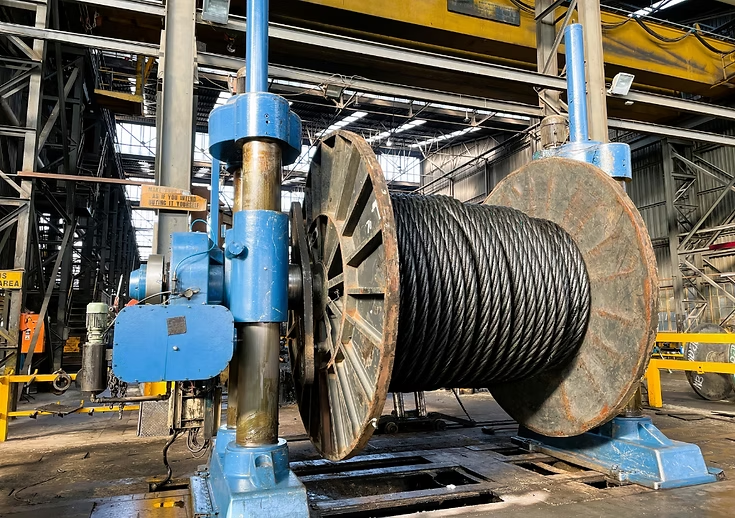
Poor rope selection can reduce ride quality, raise maintenance work, and create costly replacement delays. A clear buying process helps us avoid these problems.
We choose elevator wire rope by matching rope construction, diameter, tensile grade, core, surface condition, and termination to the traction system, duty cycle, sheaves, environment, and approved elevator design.
We have seen buyers compare ropes only by diameter. That shortcut can hide important differences. We use a wider checklist because every rope must work as part of one complete traction system.
What Is Elevator Wire Rope and What Does It Do?
An elevator rope looks simple, but it carries load and transfers traction every time the car moves.
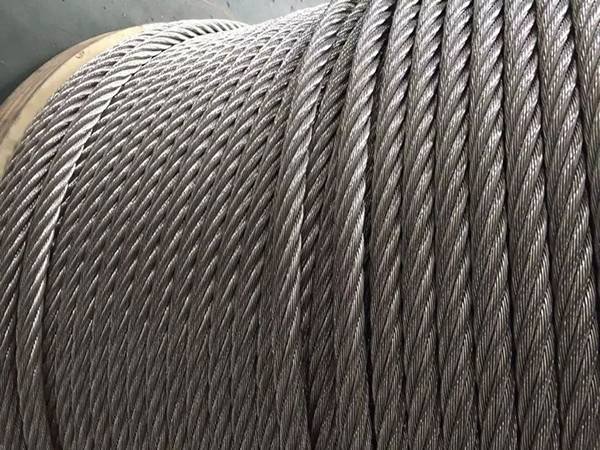
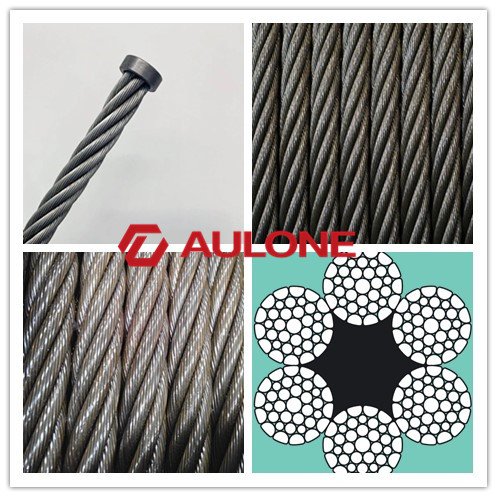
Elevator wire rope is a flexible steel rope made for lift traction, suspension, or compensation duties. It supports movement between the car, counterweight, traction sheave, and related system parts.
We treat an elevator rope as an engineered machine element. The rope does not work alone. It bends around sheaves. It shares load with other ropes. It also responds to starts, stops, heat, dust, moisture, and long service cycles.
Three common rope duties
| Rope duty | Main function | Key buying concern |
|---|---|---|
| Suspension rope | Supports the car and counterweight | Strength, stretch, fatigue, and load sharing |
| Traction rope | Transfers motion through the traction sheave | Grip, diameter, construction, and groove match |
| Compensation rope | Balances moving rope weight in taller systems | Flexibility, stability, and installation layout |
One product may serve more than one duty in a given design. Still, we never assume that two elevator systems can use the same rope. We first review the equipment documents and the complete operating conditions.
Rope behavior also changes over time. New ropes settle after installation. Load can move from one rope to another. A good selection supports stable adjustment and predictable inspection.
Which Elevator Wire Rope Construction Should We Select?
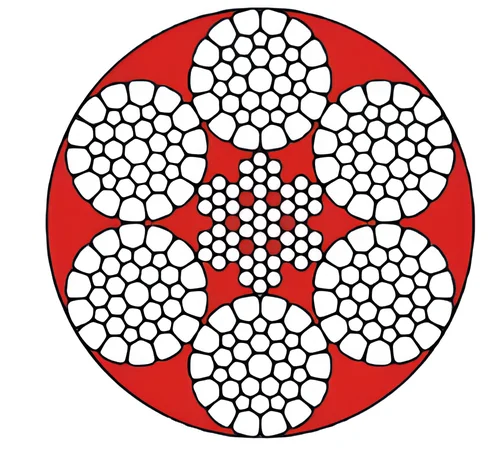
The construction controls how the wires, strands, and core work together during bending and loading.
We select construction from the elevator maker’s approved specification first. We then compare flexibility, fatigue resistance, stretch, groove contact, rope stability, speed, and expected operating cycles.
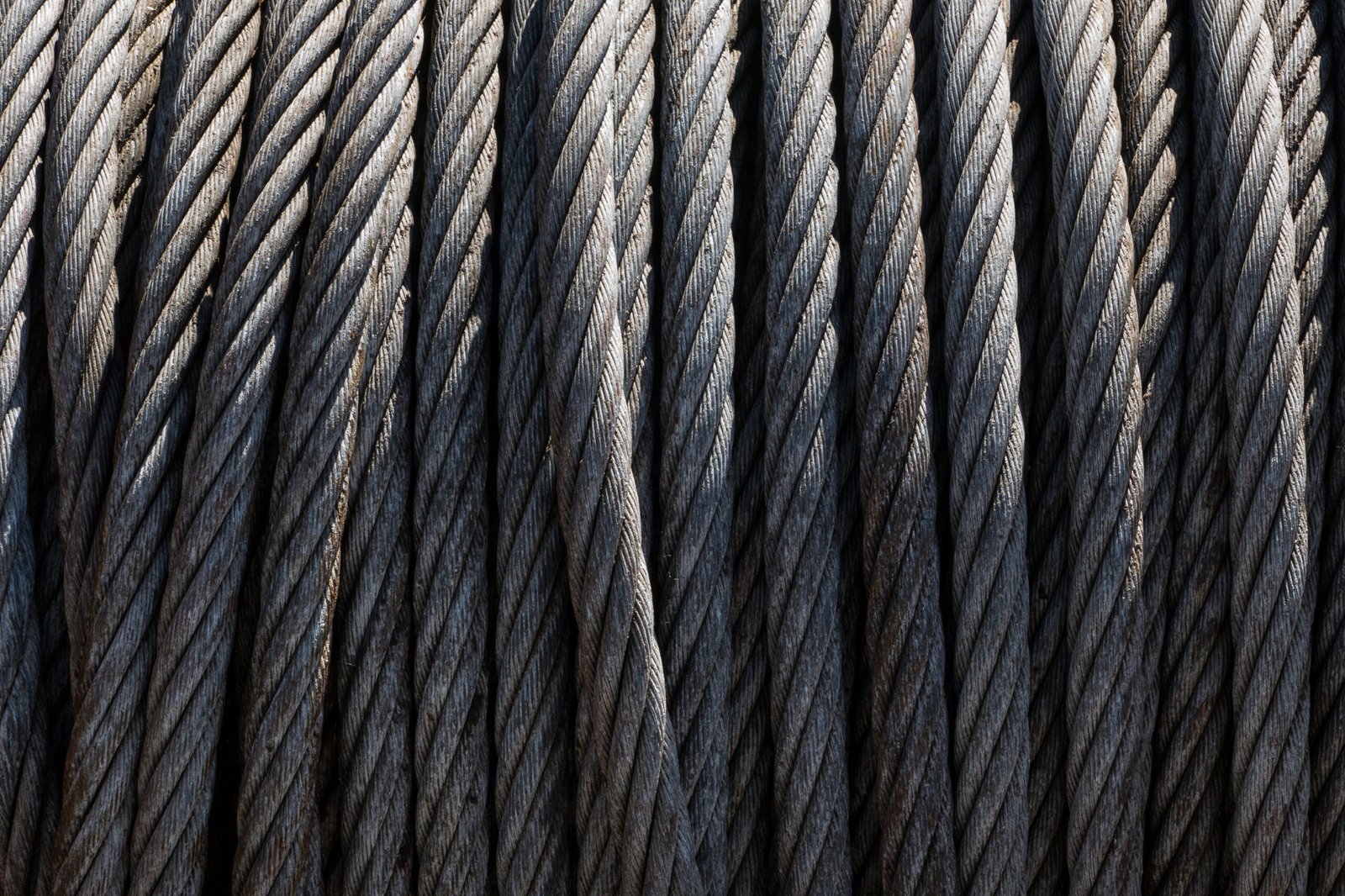
A rope with more outer wires can offer a smoother contact surface and good bending behavior. A rope with larger outer wires may resist abrasion better. Neither choice is always best. The real answer depends on the sheave geometry and duty.
Construction choices affect performance
| Feature | Possible benefit | Point to verify |
|---|---|---|
| More strands | Smoother shape and flexible bending | System approval and dimensional stability |
| More wires per strand | Improved bending fatigue in suitable systems | Wire size and wear pattern |
| Fiber core | Flexible support and lubricant storage | Stretch, heat, and moisture exposure |
| Steel core | Higher metallic area and shape support | Stiffness and sheave compatibility |
We also check whether the rope is regular lay or another approved lay type. Lay direction and rope set matter during installation. A wrong match can cause twist, uneven seating, or unstable operation.
We do not replace the original construction with a similar-looking construction without technical approval. Two ropes can have the same nominal diameter but different metallic area, stretch, weight, and bending response.
How Do Diameter and Traction Sheaves Affect Rope Choice?
Diameter is not only a catalog number. It must fit the complete rope and sheave system.
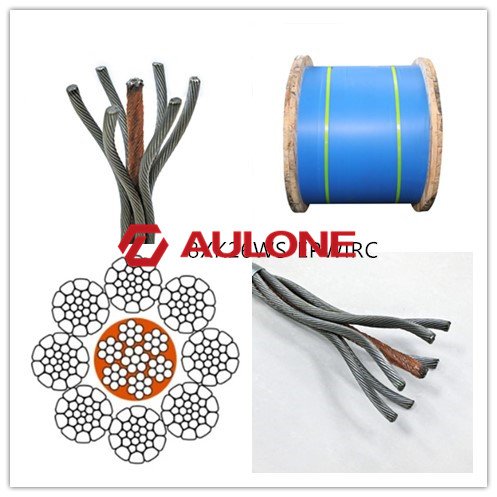
We verify the required nominal diameter, measured rope condition, groove profile, sheave diameter, fleet angle, wrap arrangement, and traction demand before we confirm an elevator wire rope.
The groove supports the rope and creates contact. A groove that is too tight can pinch the rope. A groove that is too open can reduce contact and change traction. Worn grooves may also prevent a new rope set from sharing load correctly.
What we check around the sheave
- We confirm the traction sheave and deflector sheave diameters.
- We review groove shape, groove wear, and groove consistency.
- We check whether every rope enters and leaves the sheave correctly.
- We review the number of ropes and the designed wrap path.
- We compare the rope diameter tolerance with the equipment requirement.
We advise buyers to inspect the sheaves before installing new ropes. New ropes cannot correct damaged grooves. A poor groove can mark the rope surface and shorten the useful life of the complete set.
We also ask how diameter will be measured during receiving inspection. A correct measurement method gives the buyer a useful baseline. It also helps later maintenance teams track changes with the same method.
How Do Strength, Load, and Stretch Change the Decision?
A high breaking load can look attractive, but strength alone does not define a suitable elevator rope.
We match minimum breaking load and tensile grade to the approved design. We also review car load, counterweight, reeving, acceleration, rope count, safety factors, elastic stretch, and permanent constructional stretch.
Every rope in a set should carry a fair part of the load. Unequal tension can increase wear on selected ropes and grooves. It can also change ride behavior. That is why we look at the full rope set, not one rope in isolation.
Two kinds of stretch matter
Elastic stretch changes with the applied load. The rope usually recovers when the load falls. Constructional stretch comes from wires and strands settling into a stable position. It is more noticeable during early service.
The core and construction influence both forms. Rope length, system height, and duty also influence the practical result. Buyers should tell us if rope elongation has caused past adjustment work.
| Input | Why we need it | Risk if missing |
|---|---|---|
| Rated car capacity | Supports load review | Wrong strength assumption |
| Rope count | Shows how load is shared | Incorrect set calculation |
| Suspension ratio | Defines rope path and tension | Wrong length or duty estimate |
| Travel height | Influences length and stretch | Extra adjustment or shortage |
| Operating speed | Influences dynamic behavior | Poor ride or fatigue match |
Which Core and Surface Condition Work Best?
The core supports the strands. The surface condition affects corrosion, traction, and handling.
We choose the core and surface finish from the approved elevator specification and operating environment. We compare dimensional support, stretch, lubrication, heat, moisture, corrosion, and traction needs.
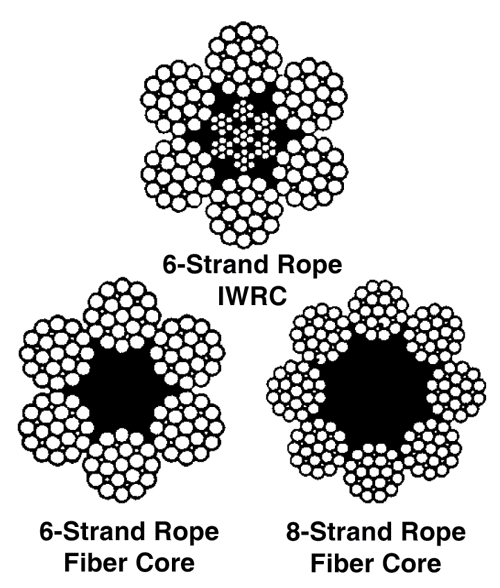
A fiber core can hold lubricant and support flexible rope behavior. A steel core can add metallic area and shape support. The best option depends on the system. We do not choose a steel core only because it sounds stronger.
Bright, galvanized, or protected rope?
Bright steel rope is common where the machine room and hoistway remain controlled. Galvanized wire can help in humid or corrosive conditions when the design permits it. Plastic or other protective features require careful review because they can change traction, inspection, and bending behavior.
Lubrication is also part of the rope design. Too little lubrication can raise internal friction. Too much surface lubricant can affect traction and attract dirt. We supply and maintain the condition required by the system and rope design.
Buyers should describe the hoistway environment. They should include temperature range, humidity, dust, chemical exposure, coastal air, water entry, and machine-room condition. A small environmental detail can change the right finish.
Why Should All Elevator Ropes Be Ordered as One Matched Set?
A traction system expects several ropes to move together. Mixed ropes can behave differently under the same load.
We recommend one matched set with the same construction, diameter, grade, core, lay, finish, production basis, and cut-length control. We also recommend replacing the complete set when the approved maintenance plan requires it.
A mixed set may contain ropes with different stretch or diameter behavior. The ropes may not seat in grooves in the same way. The maintenance team may then spend more time adjusting tension without solving the real mismatch.
Matched-set controls
- We confirm one specification for every rope in the set.
- We control cut lengths to the agreed method and tolerance.
- We identify reels and rope positions clearly.
- We protect rope ends from opening and contamination.
- We keep manufacturing and inspection records with the order.
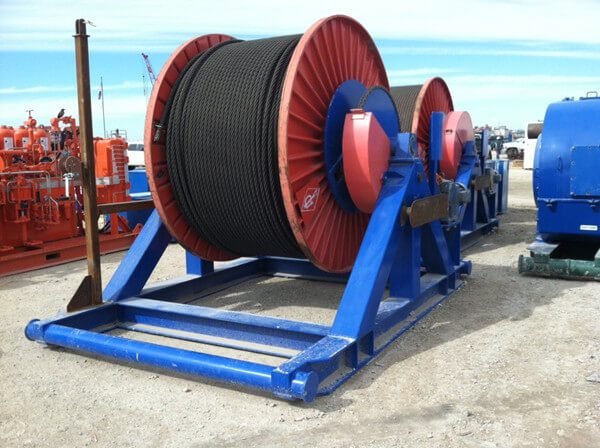
We also discuss packaging before production. Long elevator ropes need stable reels, protected flanges, clear lifting points, and moisture protection. Good packaging makes installation safer and reduces the risk of twist or mechanical damage during transport.
What Should We Inspect Before and During Installation?
Good rope can still perform badly when transport, storage, reeving, or tensioning is poorly controlled.
We inspect rope identity, reel condition, diameter, surface, end condition, sheaves, termination parts, rope path, and equal tension. We also follow the elevator maker’s installation and adjustment instructions.
Receiving inspection
We check the product label against the purchase order. We inspect reels for impact, water, broken boards, or loose rope. We confirm that rope ends remain secured. We also record the received condition before installation.
Unreeling and routing
We rotate the reel on a suitable shaft. We do not pull rope from a stationary reel in a way that adds twist. We keep the rope clean and prevent sharp bends. We use the planned route and protect the rope from edges.
Tension and run-in
We set rope tension with a controlled method. We recheck the set after the initial run-in period required by the system plan. We watch for unequal seating, unusual noise, vibration, twist, and changes in ride quality.
| Stage | Inspection point | Reason |
|---|---|---|
| Receiving | Labels, reels, ends, surface | Confirms correct and undamaged supply |
| Before reeving | Sheaves, grooves, terminations | Prevents new-rope damage |
| During reeving | Twist, kinks, contamination | Protects rope geometry |
| After tensioning | Load sharing and seating | Supports stable operation |
| After run-in | Tension, stretch, surface marks | Finds early adjustment needs |
How Should Elevator Wire Rope Be Inspected in Service?
Regular inspection helps teams find change early and plan work before performance becomes poor.
We inspect the complete accessible rope length and system contact points. We track diameter, broken wires, wear, corrosion, deformation, lubrication, tension balance, terminations, and sheave condition under the applicable maintenance plan.
We avoid giving one universal discard number because elevator designs and local rules differ. The responsible team should use the current equipment instructions, applicable rules, and competent inspection procedures.
Patterns matter more than one isolated mark
A group of changes near a sheave may point to groove or bending problems. Repeated marks at one location may point to contact with another part. Unequal wear across a rope set may point to tension or groove differences.
Good records make these patterns easier to see. We recommend consistent inspection points, photos, measured values, dates, and maintenance actions. The team can then compare change over time instead of relying on memory.
What Information Should a Buyer Send for an Accurate Quote?
A complete inquiry helps us check the rope faster and reduces the risk of an unsuitable offer.
We need the elevator model, rope duty, construction, diameter, grade, core, lay, finish, rope count, cut length, termination details, travel height, speed, capacity, sheave data, quantity, certificates, and delivery destination.
Recommended inquiry checklist
| Group | Details to provide |
|---|---|
| Existing rope | Marking, construction, diameter, core, grade, finish, photos |
| Elevator system | Maker, model, traction layout, speed, capacity, travel height |
| Rope set | Number of ropes, exact cut length, quantity of complete sets |
| Sheaves | Traction and deflector diameters, groove condition, wrap path |
| Ends | Termination type, parts required, preparation instructions |
| Quality documents | Inspection certificate and any project-specific document needs |
| Commercial details | Destination, packing, target date, and order schedule |
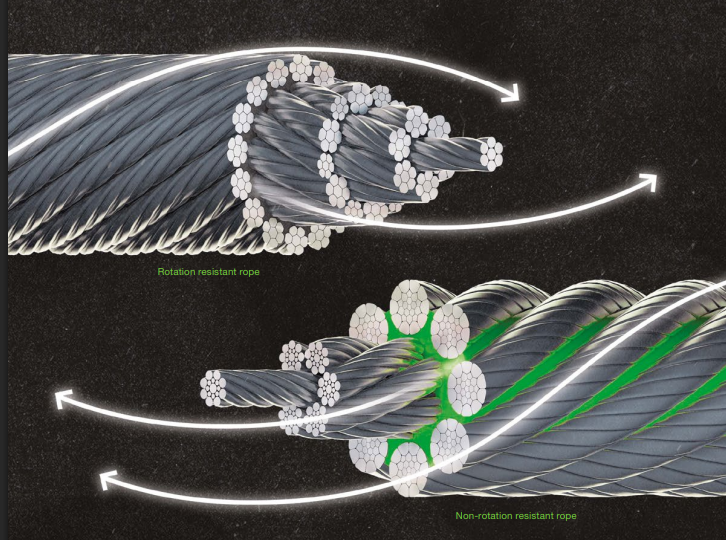
Photos of the rope label, rope cross section, traction sheave, terminations, and complete reeving path are useful. A sample can also help when the old marking is unclear. We still confirm the final choice against the approved system data.
We can discuss customized identification, reel labels, packing, and inspection documents for project orders. We can also review whether galvanized or special surface protection is practical for the stated environment.

Conclusion
We choose elevator wire rope by matching the approved system, sheaves, load, environment, installation, inspection plan, and complete matched-set requirements.