A wrong wire rope can wear quickly, damage equipment, and interrupt lifting work. We must match every 6×19 rope to its real duty.
We choose 6×19 wire rope by confirming the load, diameter, core, wire finish, strength grade, sheave size, bending frequency, environment, end connections, and inspection plan.
We often receive requests that mention only “6×19.” That name describes a construction family, but it does not define a complete rope. We need several details before we can offer a safe and useful proposal.
What Does 6×19 Wire Rope Mean?
The construction name is useful, but buyers can misunderstand it. We explain the basic structure before we compare specifications.
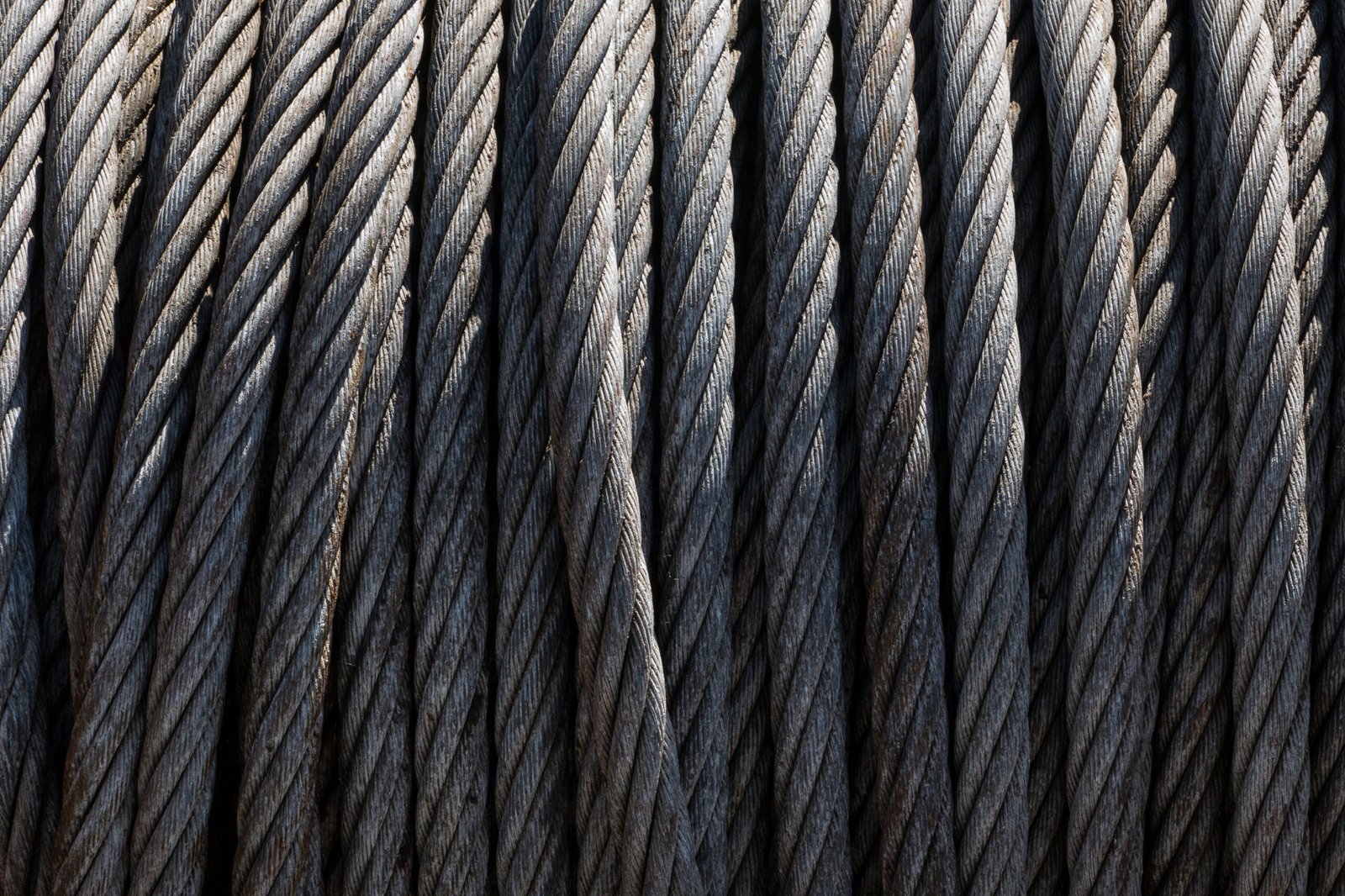
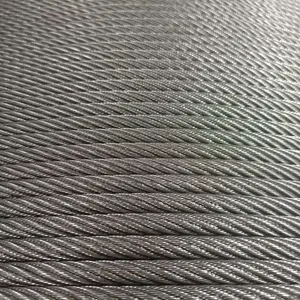
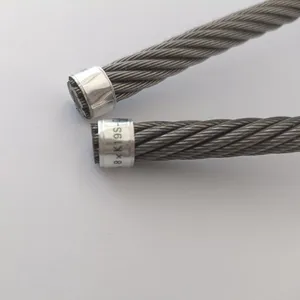
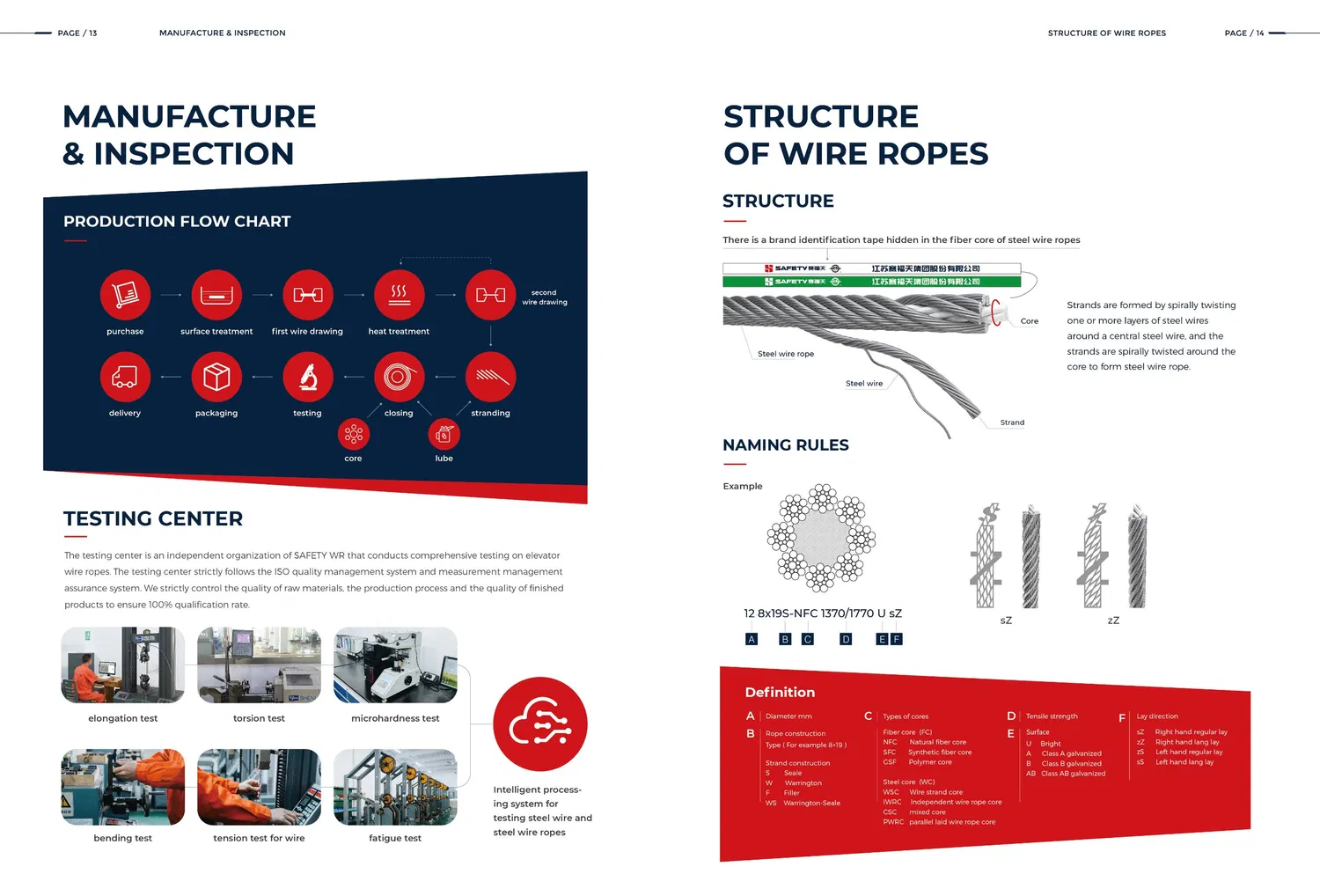
A 6×19 wire rope normally contains six outer strands around one core. Each strand belongs to the 19-wire construction group, although the exact wire arrangement can vary by design.
How Is the Rope Built?
We place six strands around a central core. The core supports the strands and helps the rope keep its round shape. Each strand contains wires arranged around a center wire.
The term 6×19 often describes a class rather than one single design. A rope can use different strand patterns while remaining in this group. The number and size of the outer wires affect abrasion resistance and fatigue behavior.
| Part | What it does | What we confirm |
|---|---|---|
| Outer wires | They contact drums and sheaves | Wear and corrosion exposure |
| Strands | They share the tensile load | Construction and lay |
| Core | It supports the strands | Fiber or steel core |
| Lubricant | It limits friction and corrosion | Application and temperature |
We therefore do not treat every 6×19 rope as interchangeable. We compare the strand design, core, grade, finish, lay, diameter tolerance, and minimum breaking load.
Why Do Buyers Choose 6×19 Wire Rope?
Many machines need a rope that balances strength, wear resistance, flexibility, availability, and cost.
We use 6×19 wire rope for many general lifting and pulling duties because it offers good abrasion resistance, practical flexibility, stable handling, and a wide range of sizes and finishes.
Where Does the Construction Perform Well?
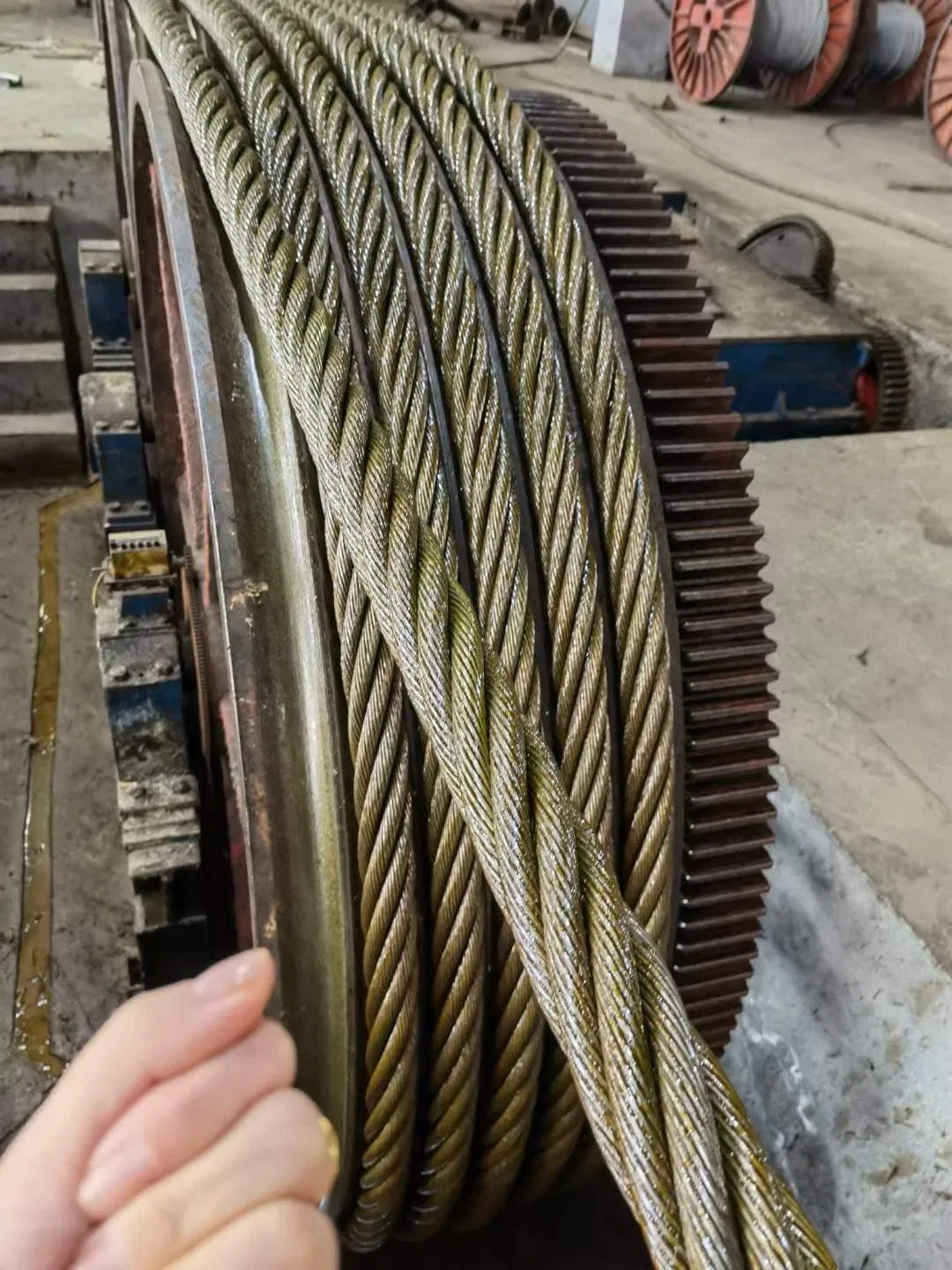
The construction can work well on drums and sheaves when the equipment provides a suitable bending radius. Its larger outer wires can resist surface wear better than constructions that use many small outer wires.
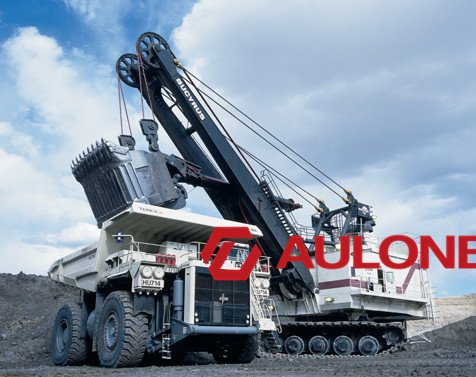
We often consider it for cranes, winches, hoists, drag systems, logging equipment, towing systems, and general industrial lifting. The exact rope still depends on the machine and load cycle.
What Are Its Limits?
A 6×19 rope is not always the best choice for very small sheaves or very high bending cycles. A more flexible construction can sometimes provide better fatigue life. A compacted or rotation-resistant rope may also suit some duties better.
We compare the whole operating system instead of choosing a construction only because it is familiar.
Should We Choose a Fiber Core or Steel Core?
The core changes the rope’s strength, stiffness, weight, temperature resistance, and behavior under crushing pressure.
We choose a fiber core when flexibility and lubricant storage are important. We choose an independent wire rope core when higher strength, stronger strand support, and better crushing resistance are required.
| Selection point | Fiber core | Steel core |
|---|---|---|
| Flexibility | Usually higher | Usually lower |
| Strength at equal diameter | Usually lower | Usually higher |
| Resistance to drum crushing | Lower | Higher |
| Weight | Lower | Higher |
| High temperature duty | More limited | Often more suitable |
A fiber core can hold lubricant and support smooth bending. However, it can compress under high radial pressure. A steel core gives the outer strands stronger support and adds metallic area.
We ask whether the rope works on a single-layer drum or a multilayer drum. Multilayer spooling can create strong crushing and cross-over pressure. A steel core often handles these forces better, but we still review the complete drum design.
How Do Diameter and Breaking Load Affect Selection?
A rope diameter is important, but it cannot show the complete lifting capacity by itself.
We select diameter together with minimum breaking load, design load, safety factors, core type, strength grade, termination efficiency, and machine limits. We never use diameter alone as proof of capacity.
What Load Information Do We Need?
We need the maximum line pull, the number of supporting rope parts, reeving efficiency, acceleration, shock loading, and expected duty cycle. We also need to know whether the load can snag or move suddenly.
| Buyer information | Why we need it |
|---|---|
| Maximum working load | It defines the main tensile demand |
| Required breaking load | It sets the minimum rope capacity |
| Nominal diameter | It must match grooves and fittings |
| Rope length | It affects production and packing |
| Number of falls | It affects line tension |
| Duty class | It shows operating frequency |
We also check the actual groove diameter. A worn groove can pinch a new rope. An oversized groove can give poor support. Both conditions can shorten service life.
How Do We Select Rope Lay and Direction?
Lay direction affects spooling, rotation, wear patterns, and the way the rope works with a drum.
We select right or left lay and regular or Lang lay by checking the drum direction, reeving system, anchoring method, load behavior, and equipment maker’s instructions.
What Is Regular Lay?
In regular lay rope, the wires in each strand run in the opposite direction to the strands around the core. This arrangement provides stable handling and good resistance to crushing and distortion.
We often use regular lay for general crane and winch applications. It is familiar to installers and tends to resist untwisting when handled correctly.
What Is Lang Lay?
In Lang lay rope, the wires and strands run in the same general direction. This design exposes longer wire sections on the surface. It can provide good resistance to abrasion and bending fatigue in suitable systems.
Lang lay needs careful control because it can have a stronger tendency to rotate or untwist. We do not recommend it without checking the equipment and end restraint.
Should We Use Bright or Galvanized 6×19 Wire Rope?
The surface finish must match water, salt, humidity, chemicals, storage, and maintenance conditions.
We use bright wire rope in controlled industrial conditions with suitable lubrication. We choose galvanized 6×19 wire rope when the rope needs stronger protection against moisture and outdoor corrosion.
How Does Lubrication Support Protection?
Lubrication reduces internal wire friction and helps block moisture. The lubricant must reach the moving contact areas between wires and strands.
A dry-looking surface does not always mean the inside is dry. However, visible loss of lubricant can show that the rope needs attention. We select lubricant according to temperature, dust, water, and handling needs.
Galvanizing adds a metallic barrier, but it does not remove the need for inspection. Coating damage, trapped salt, and poor storage can still create corrosion. We protect reels from standing water and direct contact with contaminated ground.
How Does 6×19 Compare with More Flexible Constructions?
Buyers often compare 6×19 with ropes that contain more wires in each strand.
A 6×19 rope normally favors abrasion resistance and firm support. A construction with more and smaller outer wires normally favors bending flexibility and fatigue resistance on smaller sheaves.
| Operating condition | 6×19 family | More flexible family |
|---|---|---|
| External abrasion | Often a strong choice | Smaller wires may wear faster |
| Repeated bending | Suitable with proper sheaves | Often better for high cycles |
| Small sheaves | Needs careful review | Often more suitable |
| Drum crushing | Good with the right core | Depends on construction |
| Handling | Stable and familiar | Can be more flexible |
We do not replace one construction with another without checking the rope grade and breaking load. A more flexible rope is not automatically stronger. A larger outer wire is not automatically better.
How Should We Install 6×19 Wire Rope?
Good manufacturing cannot prevent damage caused by poor storage, unreeling, cutting, or spooling.
We install 6×19 wire rope by keeping the reel controlled, preventing twist and kinks, matching the lay to the drum, maintaining tension, and checking grooves, fleet angle, and terminations.
What Should We Check Before Installation?
We inspect the drum and sheave grooves. We remove sharp edges and hardened debris. We check that guards and rollers move freely. We confirm the rope path and anchoring points.
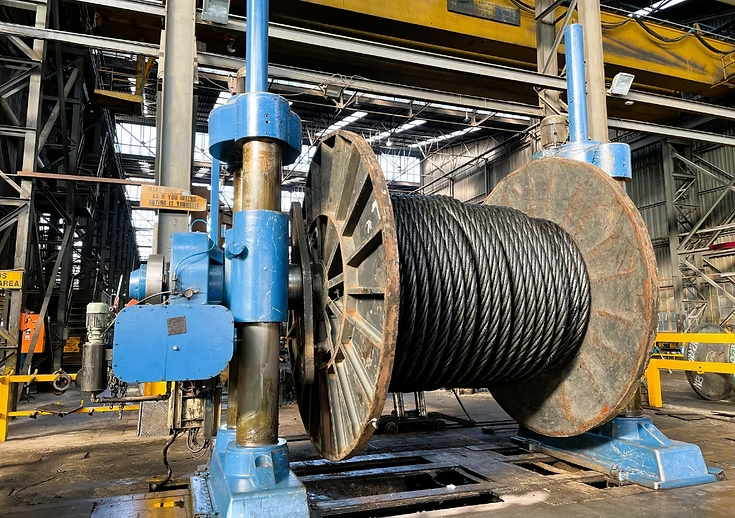
We unreel the rope from a rotating reel. We do not pull loops from a stationary coil. A loop can become a kink when tension is applied. A kink permanently changes the rope geometry.
We apply controlled back tension during spooling. Tight and even wraps reduce gaps and cross-over damage. We also follow the correct direction when winding the rope onto the drum.
How Should We Inspect and Maintain 6×19 Wire Rope?
Inspection must cover the full rope system, not only the most visible section.
We inspect 6×19 wire rope for broken wires, diameter loss, corrosion, abrasion, crushing, distortion, heat damage, lubrication loss, and changes near drums, sheaves, and terminations.
Which Areas Need Extra Attention?
We check sections that enter and leave sheaves. We check cross-over points on multilayer drums. We inspect areas near end fittings because local bending and vibration can occur there.
We also inspect parts that remain on the drum for long periods. These sections may trap moisture even when they do not bend often.
| Observed condition | Possible cause | Next step |
|---|---|---|
| Flattening | Crushing or poor spooling | Check drum pressure and core choice |
| Polished wires | Abrasion or groove contact | Check sheaves and alignment |
| Local corrosion | Water or lubricant loss | Inspect the surrounding length |
| Birdcaging | Shock loading or twist release | Stop and assess the rope |
| Diameter change | Core or internal damage | Measure and compare records |
We use the applicable equipment rules, rope standard, and manufacturer instructions when we make removal decisions. We do not rely on one generic number for every machine.
What Information Should Buyers Send for a 6×19 Wire Rope Quote?
A complete inquiry helps us compare the correct construction and reduces delays during technical review.
We ask buyers to send the application, diameter, length, core, finish, grade, lay, breaking load, drum and sheave data, end fittings, quantity, certification, and packing needs.
Which Details Prevent Quotation Errors?
We need to know whether the rope is for lifting, pulling, towing, or static support. We need the machine model when it is available. We also need the old rope label or specification.
Photos can help us understand the drum, reeving, and termination. However, a photo cannot replace load data. We confirm every critical value in writing before production.
| Quotation field | Example answer |
|---|---|
| Construction | 6×19 class |
| Core | Fiber core or steel core |
| Finish | Bright or galvanized |
| Lay | Right regular lay |
| Length | Finished length per reel |
| Documents | Test certificate and inspection scope |
We operate four production lines. We can provide galvanized rope, plastic-impregnated options, customized identification, specialized assemblies, and inspection documents when the confirmed specification allows them.
How Do Packaging and Transport Protect 6×19 Wire Rope?
A correct rope can still arrive damaged when the reel, wrapping, handling, or storage method is unsuitable.
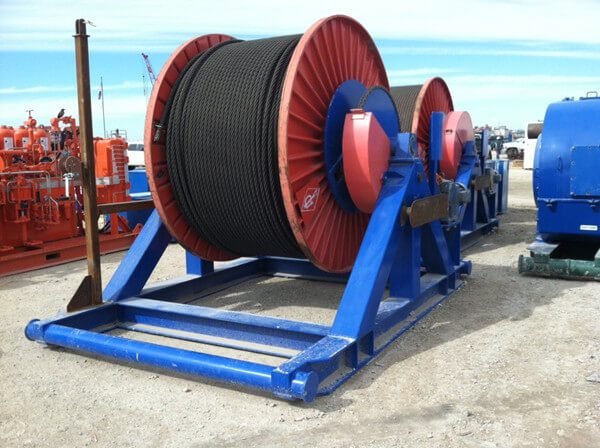
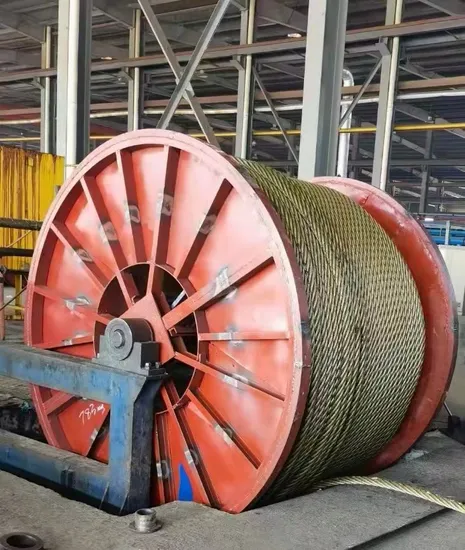
We protect 6×19 wire rope with a suitable reel, secure winding, moisture barriers, clear identification, safe lifting points, and handling instructions matched to the rope size and shipment route.
What Should We Confirm Before Shipment?
We confirm the maximum reel diameter, reel width, gross weight, lifting method, container limits, and unloading equipment. We also confirm whether the customer needs one continuous length or several separate lengths.
We secure the rope end so it cannot loosen during transport. We protect exposed surfaces from rain, salt spray, dirt, and mechanical impact. We mark the reel with the rope specification, length, weight, and identification number.
We ask the receiver to lift the reel through its designed support points. A chain placed directly around the rope can damage outer wires. Dropping a reel can also distort the flange and affect controlled unreeling.
How Should Buyers Store the Reel?
We recommend a clean, dry, ventilated area. We keep the reel above the floor and away from chemicals, welding sparks, and standing water. We rotate stored reels when the storage plan requires it, and we check the protective lubricant before installation.
We keep inspection and test documents with the correct reel number. Clear traceability helps the installation team confirm that the rope matches the intended machine.
Conclusion
We choose 6×19 wire rope by matching its core, strength, lay, finish, diameter, bending duty, environment, installation, and inspection plan to the machine.