Corrosion can weaken a cable, stain a finished structure, and raise maintenance costs. We must match stainless steel wire rope to the real exposure.
We choose stainless steel wire rope by confirming the alloy grade, construction, diameter, load, flexibility, surface finish, environment, fittings, inspection needs, and expected service life.
We often receive inquiries that only request “stainless cable.” That description is not enough. We need the application, atmosphere, load, movement, and connection details before we recommend a rope.
What Is Stainless Steel Wire Rope?
Stainless wire rope looks simple, but its performance depends on its alloy, construction, finish, and complete assembly.
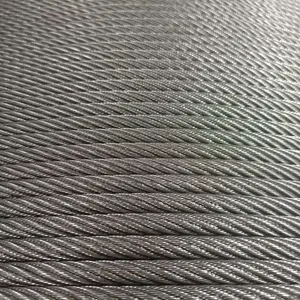
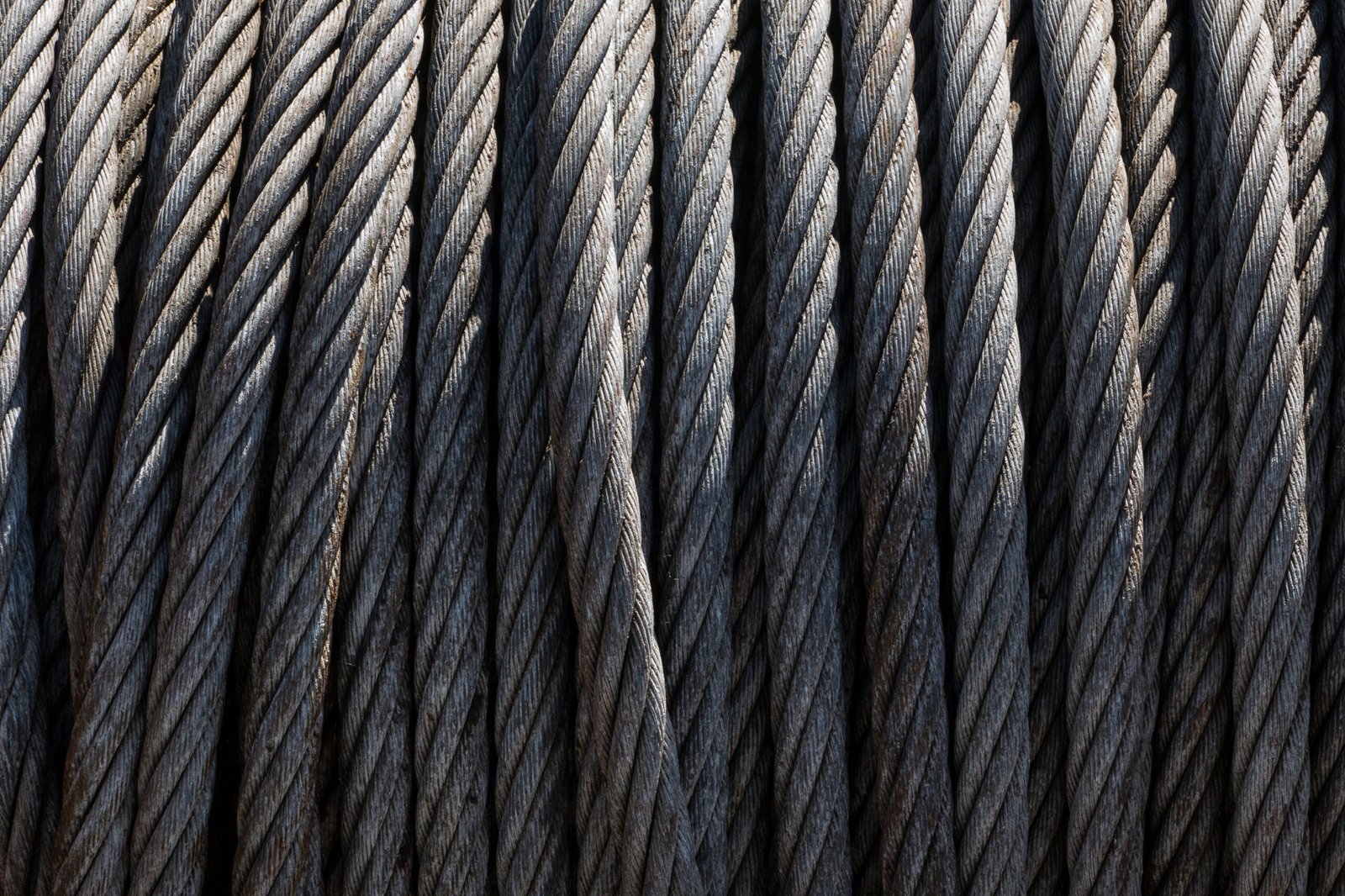
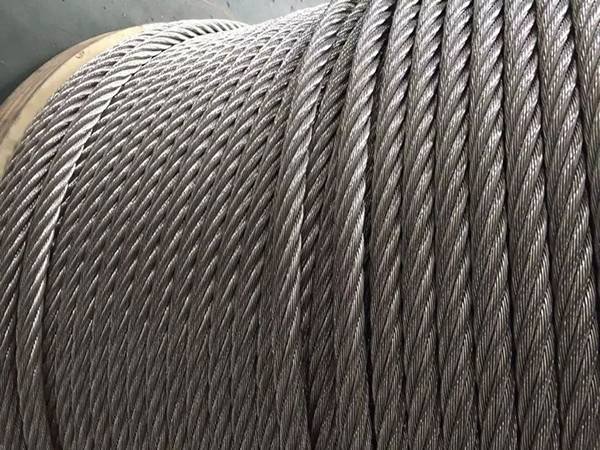
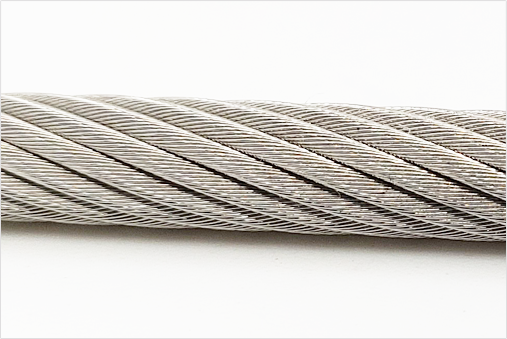
Stainless steel wire rope is a multi-wire cable made from corrosion-resistant stainless alloy. Its strands and core work together to provide strength, flexibility, and environmental resistance.
How Is the Rope Constructed?
We form small stainless wires into strands. We then close several strands around a core. The core supports the strands and helps the rope keep its shape under load.
A construction name describes the number of strands and wires. A 1×19 strand is firm and has low stretch. A 7×7 cable provides moderate flexibility. A 7×19 cable uses more small wires and bends more easily.
| Construction | Main behavior | Typical use |
|---|---|---|
| 1×19 | Firm with low stretch | Structural bracing and railings |
| 7×7 | Balanced flexibility | Control cables and general assemblies |
| 7×19 | High flexibility | Small sheaves and repeated movement |
| Wire rope with core | Higher load capacity | Lifting and industrial systems |
Should We Choose Grade 304 or Grade 316?
The alloy grade changes corrosion resistance, price, availability, and suitability for salt or chemical exposure.
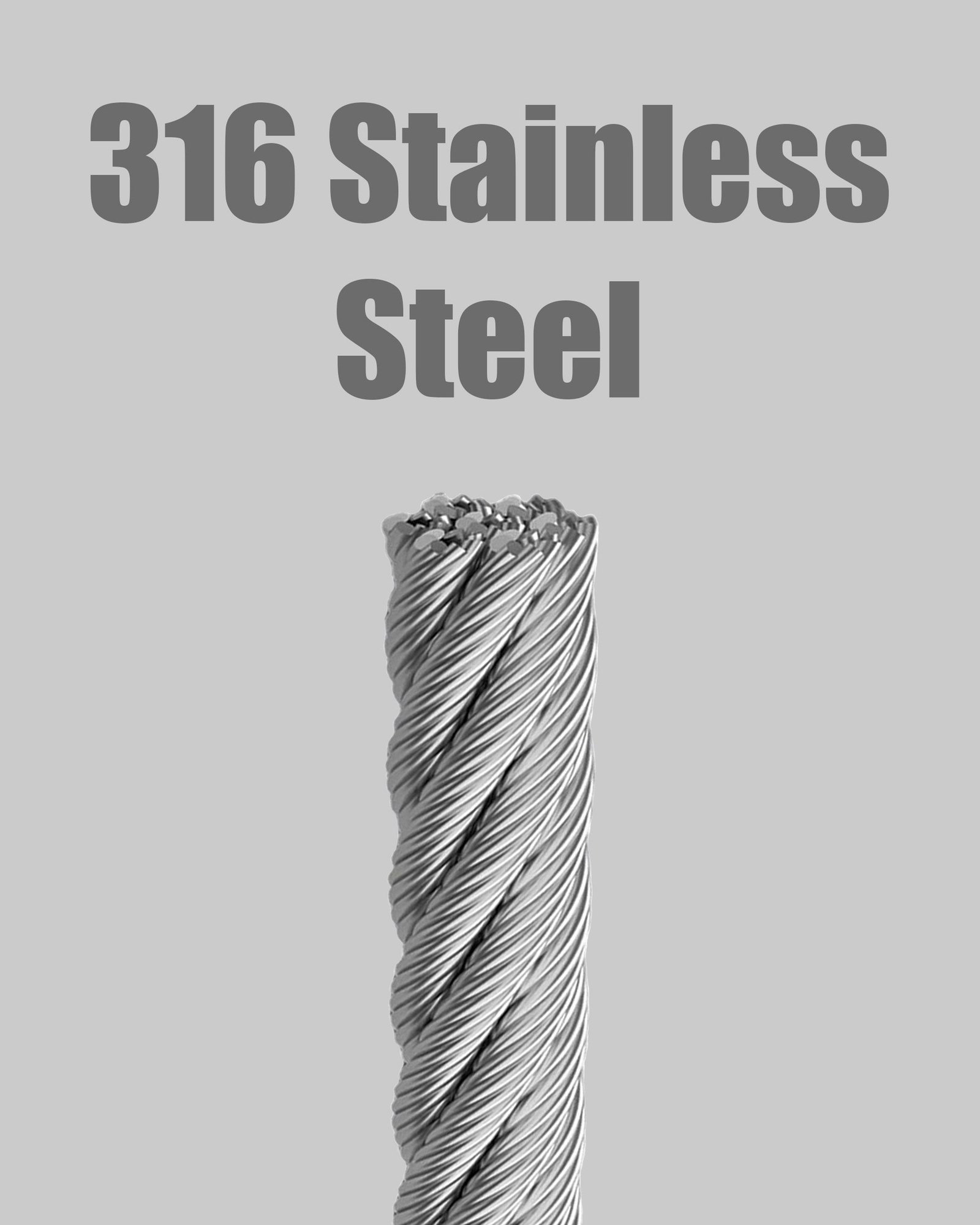
We normally choose grade 304 for clean indoor or mild outdoor service. We choose grade 316 when salt, marine air, chlorides, or stronger corrosion exposure requires improved resistance.
Where Does Grade 304 Work Well?
Grade 304 offers good general corrosion resistance. We use it for indoor architectural cables, food equipment areas, guards, balustrades, and many light outdoor applications.
We still check cleaning chemicals and moisture. A location can look mild but contain chloride cleaners or trapped water. These details can change the grade decision.
When Is Grade 316 the Better Choice?
Grade 316 contains alloying elements that improve resistance in chloride exposure. We often use it near coastlines, on boats, around pools, and in wet industrial locations.
Grade 316 is not immune to corrosion. Crevices, deposits, poor drainage, and contact with other metals can still create local attack. Good design and cleaning remain important.
How Do We Match Construction to Flexibility?
A buyer must balance bending ability, stretch, surface wear, strength, and dimensional stability.
We choose fewer large wires for firmness and low stretch. We choose more small wires when the cable must bend repeatedly around sheaves or follow a tight path.
| Selection factor | Firmer construction | More flexible construction |
|---|---|---|
| Repeated bending | More limited | Better suited |
| Stretch control | Usually better | Usually lower stiffness |
| Abrasion | Larger wires resist wear | Small wires need care |
| Sheave size | Needs larger bends | Handles smaller bends better |
| Handling | Firm | Easy to route |
We do not select flexibility by touch alone. We check the minimum bend radius, sheave groove, movement frequency, load, and end fittings. A very flexible cable can lose advantages when it uses an unsuitable terminal.
How Do Diameter and Load Affect Selection?
Diameter must match the equipment, but the same diameter can provide different strength in different constructions.
We select diameter together with minimum breaking load, working load, design factor, construction, alloy, termination efficiency, and any bending or shock forces in service.
Which Load Details Do We Need?
We ask for maximum tension, normal working tension, dynamic loading, number of supporting parts, acceleration, and possible shock loads. We also ask whether the cable supports people, equipment, or a non-lifting structure.
| Required detail | Why it matters |
|---|---|
| Maximum working load | It defines service tension |
| Required breaking load | It defines minimum capacity |
| Nominal diameter | It must match grooves and fittings |
| Finished length | It controls assembly geometry |
| Movement frequency | It affects fatigue demand |
| Temperature | It affects material and lubricant choices |
We do not guess a safe load from appearance. We confirm the complete specification and applicable design rules. The end connection can also reduce the usable capacity of the assembly.
Where Do We Use Stainless Steel Wire Rope?
Stainless rope supports many applications, but each location creates a different mix of load, movement, appearance, and corrosion.
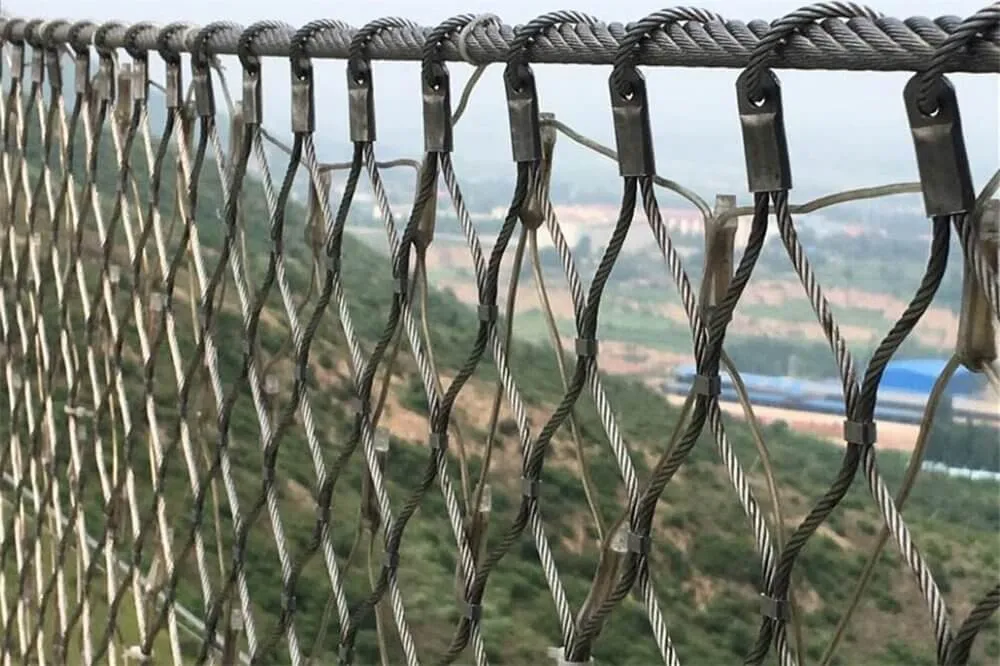
We use stainless steel wire rope in marine fittings, architectural railings, cable mesh, food equipment, control systems, lifting assemblies, safety barriers, and outdoor structures.
How Does Architectural Use Change the Choice?
Architectural projects often require a clean appearance and stable tension. We review surface finish, cable spacing, fitting shape, adjustment range, and the way water drains from connections.
A 1×19 strand can work well for straight tension members. A flexible construction may work better where installers must route the cable or form loops.
How Does Marine Use Change the Choice?
Marine air contains salt. Splash zones and trapped seawater create stronger exposure. We often consider grade 316 and fittings made from compatible material.
We also check whether the cable rubs against guides or hardware. Surface wear can damage the passive layer. Regular fresh-water cleaning can help remove salt deposits.
Which End Fittings Should We Use?
The fitting transfers the cable force to the structure. It must match the cable construction and installation method.
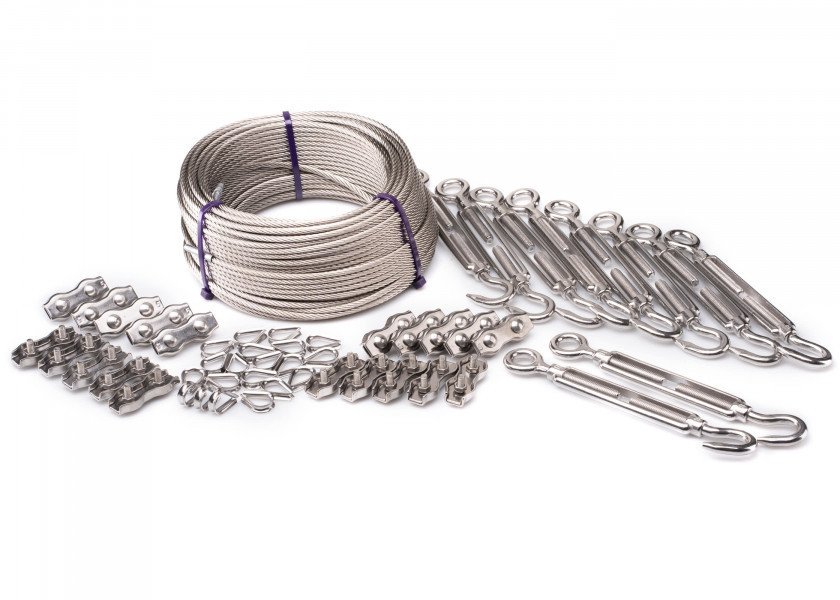
We select swaged terminals, threaded studs, eyes, forks, sleeves, sockets, or custom fittings by checking load, cable type, space, adjustment, corrosion, and inspection access.
Why Does Material Compatibility Matter?
Different metals can create galvanic corrosion when moisture connects them. We therefore review the cable, fitting, pin, frame, and nearby fasteners as one system.
We avoid small crevices that trap salt and water. We also protect threads from contamination and galling. A suitable assembly method helps the terminal reach the required efficiency.
How Can We Reduce Corrosion in Service?
Stainless steel needs correct design and maintenance. The alloy alone cannot solve poor drainage, deposits, or contamination.
We reduce corrosion by choosing the correct grade, avoiding crevices, providing drainage, using compatible fittings, cleaning salt deposits, preventing carbon-steel contamination, and inspecting high-risk areas.
What Causes Unexpected Staining?
Iron particles from tools, grinding dust, racks, or nearby steel work can settle on stainless surfaces. These particles can rust and make the cable look damaged.
Salt deposits can also hold moisture against the surface. Areas under sleeves, clamps, and plastic coatings may receive less oxygen and become more vulnerable.
How Should We Clean the Cable?
We use a cleaning method that matches the contamination and installation. Clean water can remove loose salt. A mild approved cleaner can remove dirt and oil. We avoid aggressive products that contain unsuitable chlorides.
We do not use contaminated carbon-steel brushes. We rinse residues and allow the assembly to drain. We record recurring stains because they may show a design or environmental problem.
How Should We Inspect Stainless Steel Wire Rope?
A bright surface can still hide wear, broken wires, or damage near fittings.
We inspect stainless rope for broken wires, abrasion, diameter change, distortion, corrosion, discoloration, loose fittings, damaged threads, poor tension, and movement at terminal connections.
Which Areas Need Extra Attention?
We check the cable where it enters a sleeve or terminal. We inspect bends, contact points, low drainage areas, and places that remain wet. We also inspect sections exposed to cleaning chemicals.
| Observed condition | Possible cause | Action |
|---|---|---|
| Brown staining | Deposits or iron contamination | Clean and inspect the surface |
| Broken wires | Fatigue or abrasion | Assess the affected length |
| Flattening | Crushing or poor routing | Check supports and fittings |
| Loose terminal | Movement or poor assembly | Stop and inspect the connection |
| Local pitting | Chlorides or trapped moisture | Review grade and drainage |
We use the applicable project rules and equipment instructions for removal decisions. We do not apply one generic limit to every cable system.
What Information Should Buyers Send for a Quote?
A complete inquiry lets us recommend a practical construction and avoid delays during technical review.
We ask buyers for the application, alloy grade, construction, diameter, length, load, flexibility, finish, environment, fittings, quantity, testing, certification, and packing requirements.
Which Details Prevent Quotation Errors?
We need to know whether the cable moves or remains static. We need the maximum load and the finished length between connection points. We also need photos or drawings of the fittings.
We ask about salt, chemicals, temperature, cleaning methods, and contact with other metals. These details help us compare grade 304, grade 316, and other material options.
| Quotation field | Example |
|---|---|
| Application | Marine railing or control cable |
| Grade | 304 or 316 |
| Construction | 1×19, 7×7, or 7×19 |
| Diameter | Required nominal size |
| Length | Cable length or pin centers |
| Termination | Eye, fork, stud, or sleeve |
We operate four production lines. We can provide stainless steel wire rope, specialized assemblies, customized identification, and project-specific inspection documents when required.
How Does Surface Finish Affect Performance?
Surface finish changes appearance, cleanability, friction, and the way deposits remain on the cable.
We select bright, polished, or treated stainless surfaces by checking appearance, cleanliness, contact wear, fabrication method, and the environment around the finished assembly.
When Does a Polished Surface Help?
A smoother surface can make cleaning easier and can reduce places where dirt remains. Architectural and food-related projects may also require a consistent appearance.
Polishing cannot repair a poor alloy choice. A highly polished grade 304 cable can still face problems in strong chloride exposure. We choose the material grade first and then confirm the required finish.
Should We Use Plastic Coating?
A transparent or colored coating can improve handling, separate the metal from nearby surfaces, and provide a clean appearance. It can also retain water when the coating is cut or poorly sealed.
We review the coating material, thickness, temperature range, ultraviolet exposure, chemical contact, and finished diameter. We also define whether fittings attach to the bare cable or over the coating.
Inspectors must check transitions where the coating ends. Damage at these points can allow moisture to enter. A coating can hide the underlying wires, so the inspection plan must reflect that limit.
How Do Packaging and Installation Protect the Cable?
Stainless rope can suffer scratches, contamination, kinks, and terminal damage before it ever enters service.
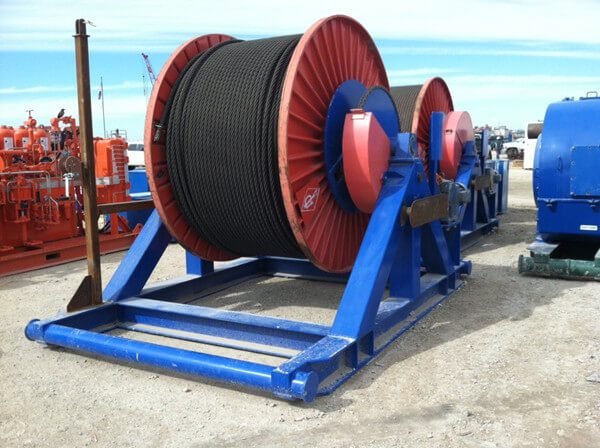
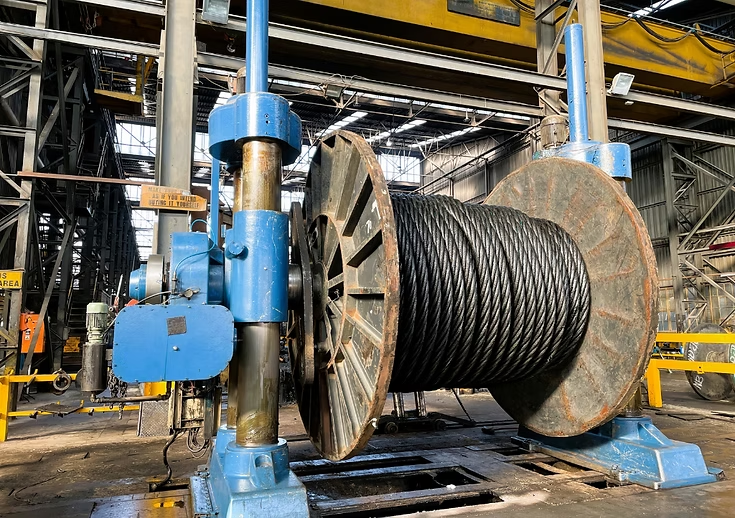
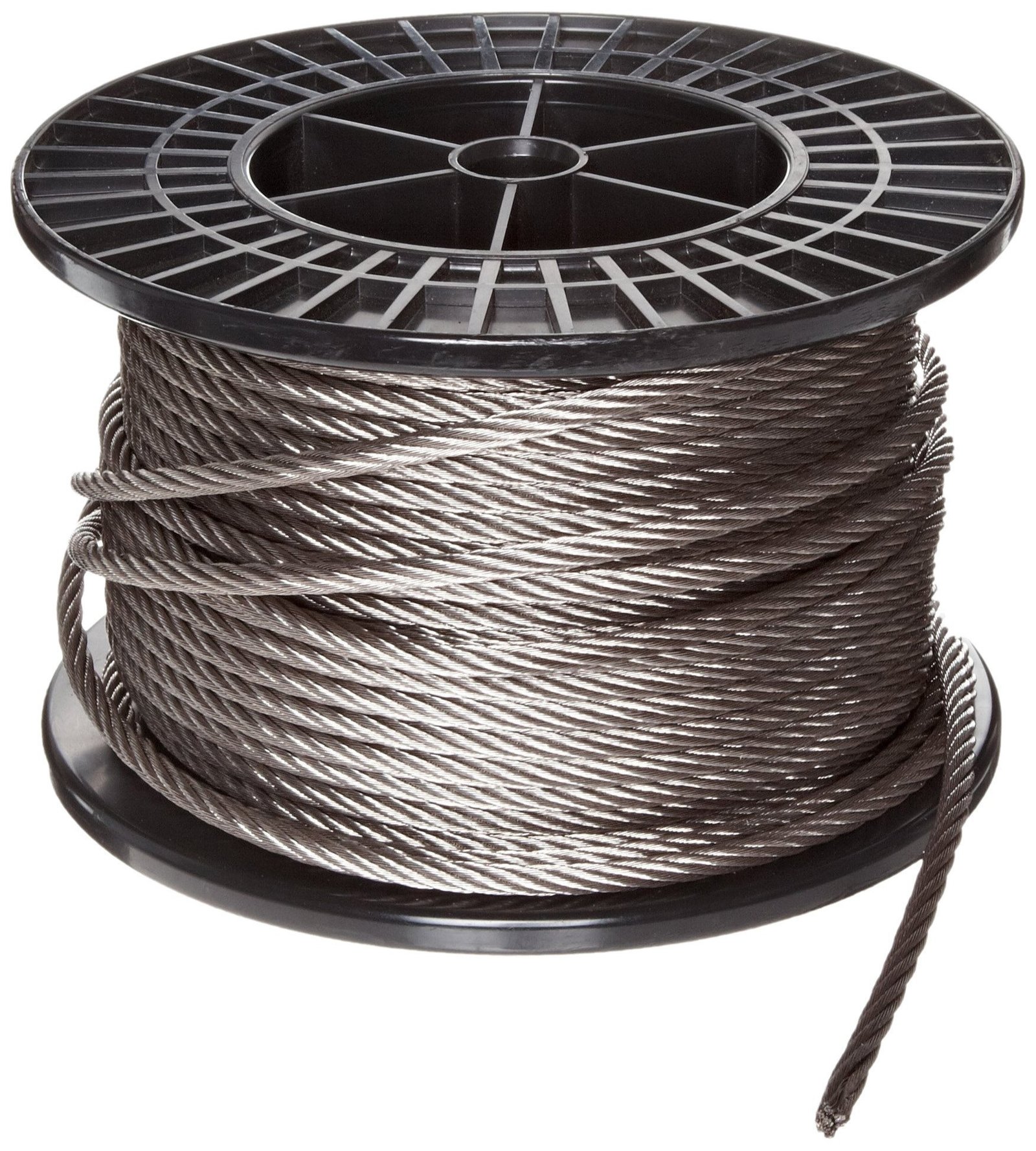
We protect stainless steel wire rope with clean reels, moisture-resistant wrapping, clear labels, controlled unreeling, dedicated tools, correct tension, and careful handling of finished fittings.
What Should We Check During Delivery?
We inspect the reel, wrapping, rope ends, and fittings before unloading. We compare the reel label with the order documents. We record any impact, water entry, or damaged packaging.
We store reels above the ground in a dry and ventilated area. We keep them away from grinding dust, welding work, acids, chlorides, and carbon-steel debris.
How Should Installers Handle the Rope?
We unreel the cable from a rotating reel. We do not pull loops from a stationary coil. A loop can tighten into a kink and permanently change the rope geometry.
We use clean tools that have not carried carbon-steel particles. We protect polished surfaces from dragging and sharp edges. We keep fittings aligned so the cable does not receive unwanted bending.
We apply tension in a controlled way and verify the finished geometry. We then record the initial condition. This record gives inspectors a useful reference for later checks.
Conclusion
We choose stainless steel wire rope by matching grade, construction, strength, flexibility, fittings, environment, drainage, cleaning, and inspection with the real application.