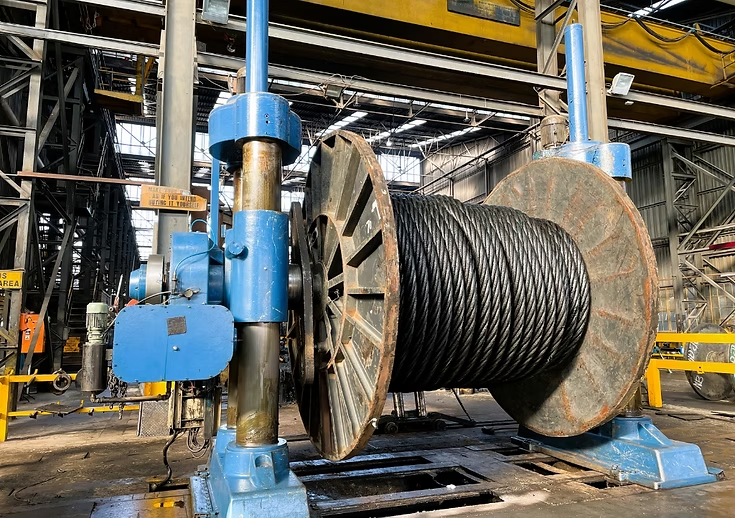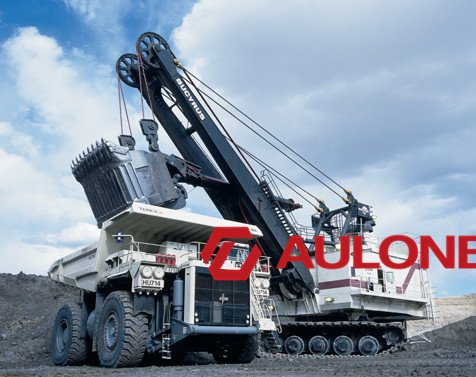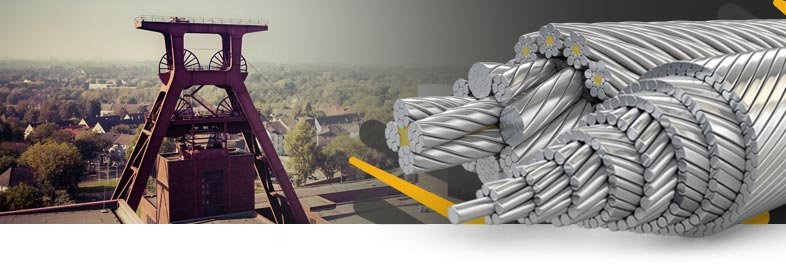
Mining projects face extreme conditions. Wire rope failures can stop work. How can you prevent downtime?
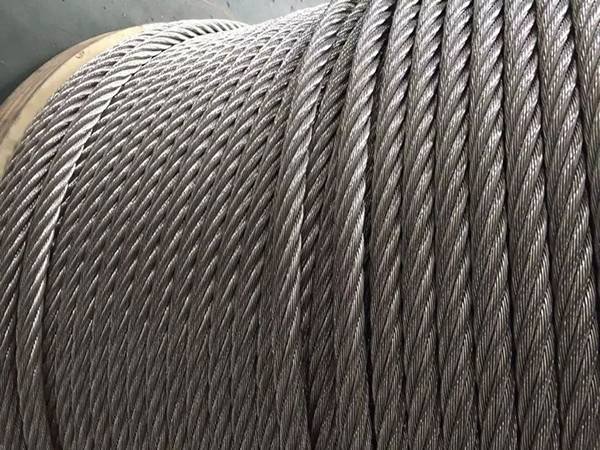
Wire ropes made for mining deliver high tensile strength, wear resistance, and safety compliance. Picking the right rope keeps operations safe, efficient, and reliable.
Transition paragraph:
I still remember the first time I saw a wire rope snap underground. The project was delayed, and costs rose. It taught me how critical quality ropes are for mining operations.
What types of wire ropes are best for mining operations?
Compacted, galvanized, and plastic impregnated ropes are ideal. They resist wear, corrosion, and maintain strength, ensuring long-term safety for mining operations.
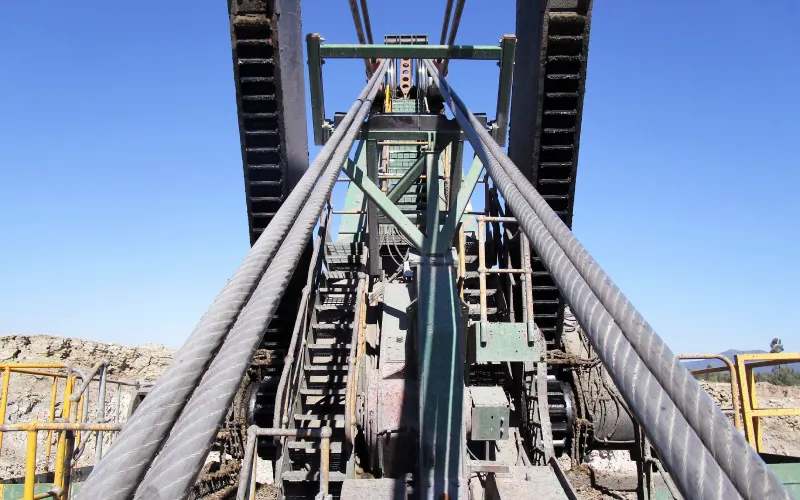
Rope constructions and applications
| Rope Type | Features | Common Use |
|---|---|---|
| Compacted Wire Rope | Higher density, better abrasion resistance | Hoisting, draglines |
| Galvanized Rope | Zinc coating for corrosion protection | Outdoor mining, wet areas |
| Plastic Impregnated Rope | Lubrication sealed inside, reduced friction | Continuous heavy lifting |
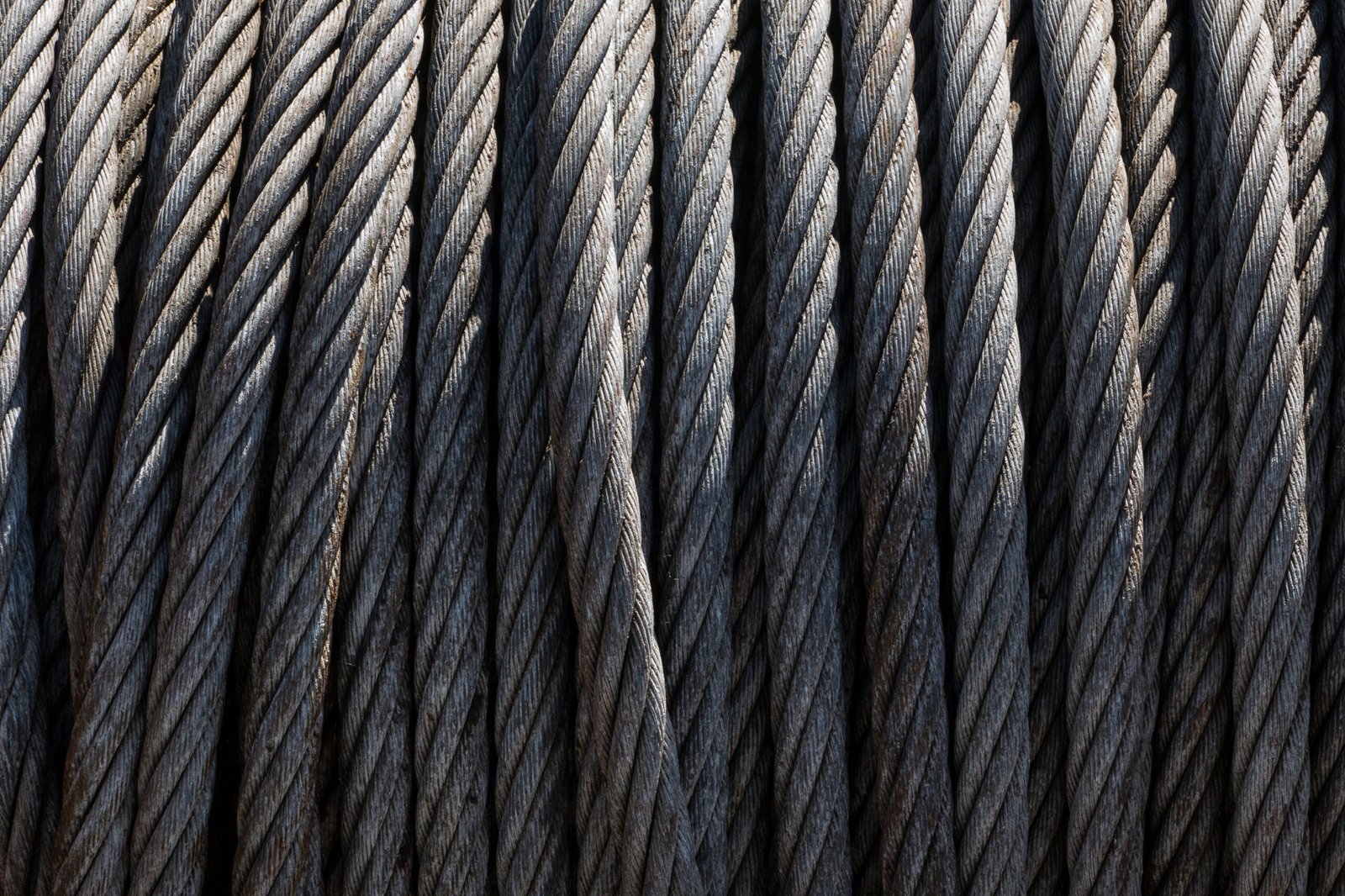
Compacted ropes have wires pressed together. This reduces internal movement, lowering wear. Galvanized ropes have zinc coating to resist corrosion. Plastic impregnated ropes keep internal lubrication, reducing friction.
In one project, we replaced standard ropes with compacted ropes for a dragline. The wear rate dropped significantly, and downtime decreased.
How to choose the right wire rope for mining?
Select rope construction, diameter, and tensile strength according to load. Verify certifications like EN12385-4. This ensures safety, durability, and project efficiency.

Factors to consider
- Load capacity: Always select ropes exceeding the maximum expected load. A 25% safety margin is a good start.
- Environmental exposure: Corrosive, wet, or abrasive sites need coated or plastic impregnated ropes.
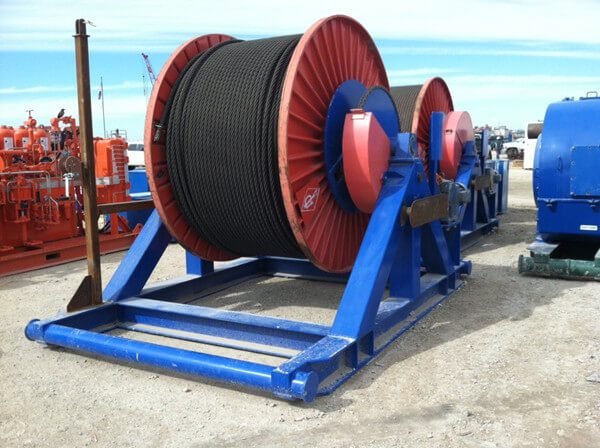
- Spooling and handling: Proper spooling reduces wear. Avoid sharp bends or kinks.
- Certifications: BV, CE, DNV, ABS, and RMRS ensure compliance with safety standards.
| Factor | Importance | Example |
|---|---|---|
| Diameter & Construction | Determines rope strength | 6X36WS-IWRC for luffing ropes |
| Coating & Lubrication | Prevents corrosion | Galvanized or plastic impregnated |
| Breaking Load | Safety requirement | Choose at least 25% above max load |
I remember a client who underestimated the load on a rope. It broke during a shift. After switching to a compacted, high-tensile rope, their operations ran smoothly without interruptions.
What maintenance practices prolong wire rope life in mines?
Inspect, lubricate, and spool ropes correctly. Replace ropes with broken wires, corrosion, or core damage. Routine care prevents accidents and extends service life.
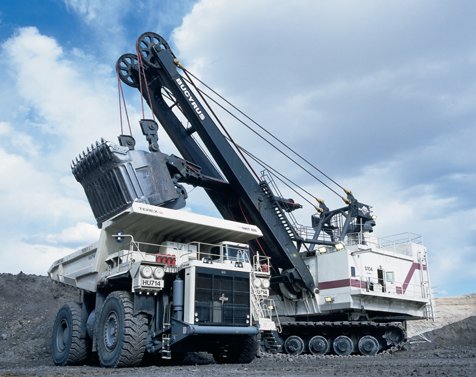
Maintenance checklist
- Visual inspection: Check for broken wires, kinks, corrosion, and deformation.
- Lubrication: Use proper oils to reduce internal friction.
- Proper spooling: Avoid cross-laying or tight bends.
- Storage: Keep ropes dry, off concrete, and shielded from sunlight.
| Task | Frequency | Notes |
|---|---|---|
| Inspect for broken wires | Daily | Focus on high-wear areas |
| Apply lubricant | Weekly | Use factory-recommended oils |
| Check for deformation | Monthly | Straighten bends and stress points |
In one of our facilities, we introduced a weekly inspection routine. Ropes lasted 30% longer, and the number of replacements dropped significantly. Proper maintenance really pays off.
How do certifications influence mining wire rope choice?
Certified ropes meet safety and quality standards. They reduce risks, ensure long life, and help pass audits. Compliance is critical in mining operations.

Understanding common certifications
- EN12385-4: European safety standard for steel wire ropes.
- BV & CE: International machinery compliance.
- DNV & ABS: Important for offshore or wet mining operations.
- RMRS: Heavy-duty industrial applications in Russia and surrounding regions.
| Certification | Focus Area | Benefit |
|---|---|---|
| EN12385-4 | Construction and safety | Reliable strength |
| BV & CE | Compliance | Safe operation |
| DNV/ABS | Marine/offshore | Corrosion resistance |
| RMRS | Heavy duty | Verified breaking load |
When I first exported ropes to a wet mining site, the client required DNV certification. We provided it, and the project passed inspections without delays. Certifications make clients confident.
How do rope features affect mining safety and efficiency?
High tensile strength ensures ropes handle heavy loads. Galvanized or plastic impregnated coatings prevent wear and corrosion, minimizing downtime and accidents.
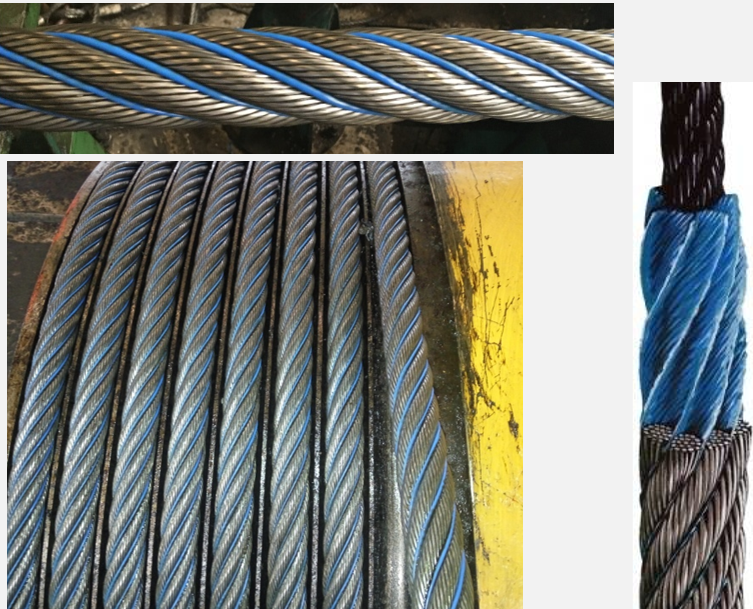
Key features for mining ropes
- High tensile strength: Handles heavy lifting without breaking.
- High breaking load: Protects against overload accidents.
- Galvanization: Resists corrosion in wet or chemical environments.
- Plastic impregnation: Keeps internal lubrication, reducing wear.
| Feature | Benefit | Mining Impact |
|---|---|---|
| High tensile strength | Safe lifting | Fewer rope replacements |
| High breaking load | Overload protection | Accident prevention |
| Galvanized coating | Corrosion resistance | Longer rope life |
| Plastic impregnation | Low internal friction | Smooth operations |
I’ve personally seen projects fail because ropes weren’t strong enough. Upgrading to ropes with proper features drastically improved efficiency.
Conclusion
Quality, certified, and well-maintained wire ropes ensure mining operations are safe, efficient, and reliable.